
Intelligent Automation Systems in Modern Enterprises
Modern enterprises are rapidly evolving toward intelligent automation systems that extend far beyond traditional software execution models, forming adaptive digital ecosystems capable of understanding operational context, processing large-scale data streams, and continuously optimizing workflows in real time to improve efficiency, scalability, and decision-making accuracy across increasingly complex and distributed enterprise environments.
This shift is primarily driven by the limitations of rule-based automation systems, which were originally built for static and predictable workflows but are now insufficient for handling modern enterprise demands involving dynamic workloads, real-time data variation, and continuously changing operational requirements, creating a strong need for AI-powered automation frameworks that integrate machine learning, predictive analytics, and intelligent orchestration into unified system architectures.

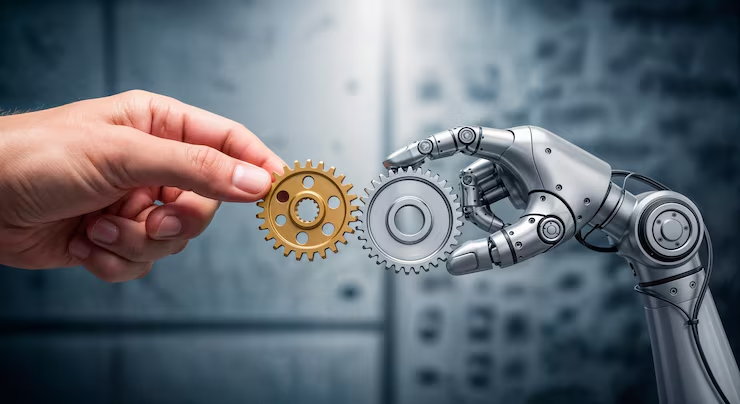
Automation is no longer about replacing tasks — it is about transforming how entire enterprise systems operate, adapt, and evolve intelligently.
Why Automation is Evolving
Traditional automation systems rely on fixed logic structures where workflows are executed in a predefined sequence, but modern enterprises require systems that can dynamically respond to changing inputs, unpredictable workloads, and evolving business conditions, making static automation models inadequate for long-term scalability and operational resilience in high-performance digital ecosystems.
Intelligent automation introduces adaptive learning capabilities that allow systems to continuously analyze execution patterns, identify inefficiencies, and optimize workflows without manual intervention, enabling organizations to scale operations more efficiently while maintaining consistency, accuracy, and reliability across multiple business functions and interconnected infrastructure layers.
Enterprise-Grade Automation Architecture
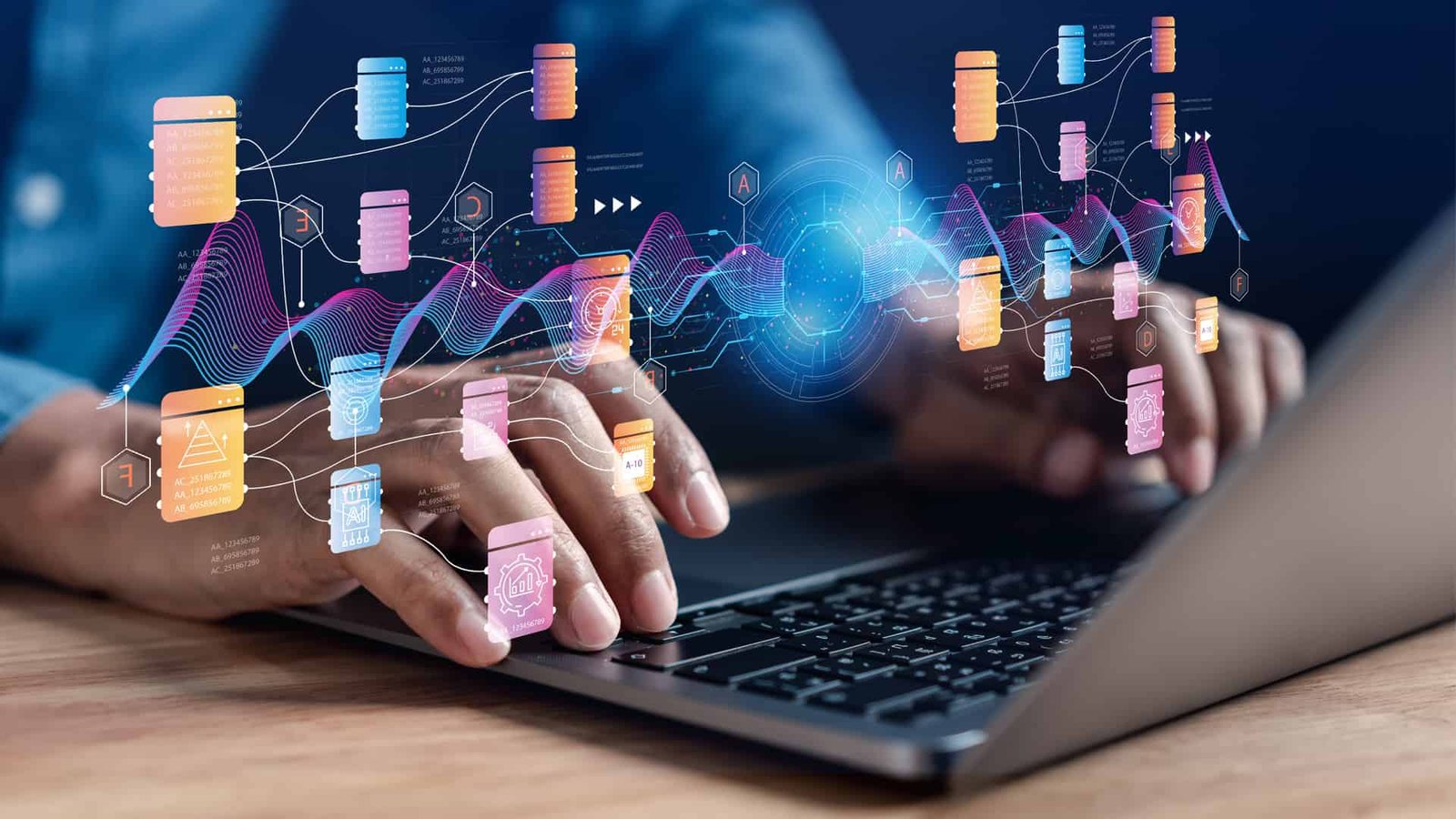
Enterprise automation systems are built using layered architectures that integrate data pipelines, real-time processing engines, machine learning models, and orchestration frameworks that work together to ensure seamless execution of complex workflows across distributed environments, enabling organizations to achieve high levels of operational efficiency, system stability, and scalability under variable workload conditions.
These systems also incorporate monitoring, logging, and feedback mechanisms that continuously evaluate performance, detect anomalies, and trigger automated corrective actions when required, ensuring that automation environments remain resilient, self-correcting, and capable of supporting mission-critical enterprise operations without downtime or disruption.
At IdeaManofaction, automation is designed as an intelligence-first architecture, ensuring that every workflow is not just executed but continuously optimized, context-aware, and capable of evolving based on real-time system behavior, operational feedback, and changing enterprise requirements.
Future of Intelligent Automation
The future of enterprise automation is moving toward fully autonomous systems that can independently manage workflows, make contextual decisions, and optimize performance without human intervention, where artificial intelligence becomes deeply embedded across every layer of enterprise infrastructure, enabling continuous learning, predictive execution, and self-healing system capabilities at scale.
As organizations adopt AI-native automation strategies, the boundary between software systems and intelligent business ecosystems will gradually disappear, leading to a future where enterprise operations are not manually controlled but intelligently orchestrated by adaptive systems capable of learning, evolving, and improving continuously based on real-world operational feedback.
Conclusion
Intelligent automation represents a fundamental shift in how modern enterprises design and operate digital systems, moving away from static rule-based execution models toward adaptive AI-driven architectures that continuously learn from data, optimize workflows in real time, and respond intelligently to changing operational environments across large-scale distributed infrastructures.
IdeaManofaction positions itself within this transformation as an AI-native product engineering company focused on building intelligent automation systems, scalable software architectures, and adaptive digital infrastructure solutions that enable enterprises to transition from traditional software limitations into self-evolving, intelligence-driven operational ecosystems built for long-term growth, resilience, and technological advancement.
Leave a Reply