
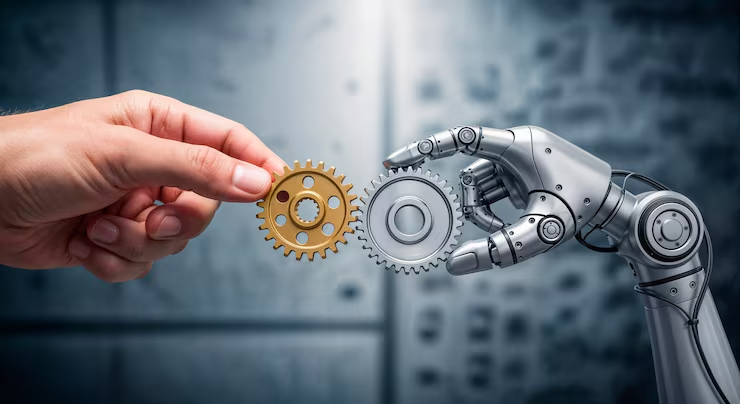
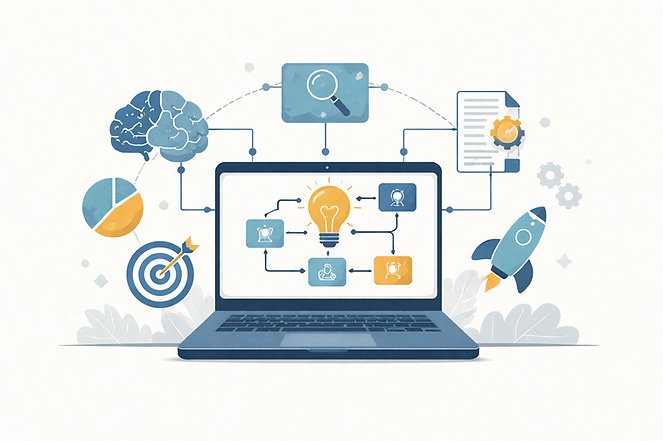
AI-Native Product Engineering & Intelligent Digital Systems
Modern software systems are currently undergoing a fundamental architectural shift where traditional application development approaches are no longer sufficient to support the increasing complexity, scalability requirements, and intelligence expectations of modern enterprises that operate across distributed digital ecosystems, real-time data environments, and continuously evolving user interaction patterns that demand adaptive, self-optimizing, and highly resilient technological foundations capable of functioning without interruption under variable operational conditions and unpredictable workloads across global infrastructure systems.
Artificial intelligence has transitioned from being a supplementary enhancement layer integrated into existing software products into becoming a core structural component of modern digital architecture, enabling systems to process massive and continuously flowing datasets, identify hidden patterns within operational behavior, generate predictive insights based on historical and real-time information, and execute automated decision-making processes that improve efficiency, accuracy, and responsiveness across enterprise-level applications operating at global scale with high reliability and performance requirements.
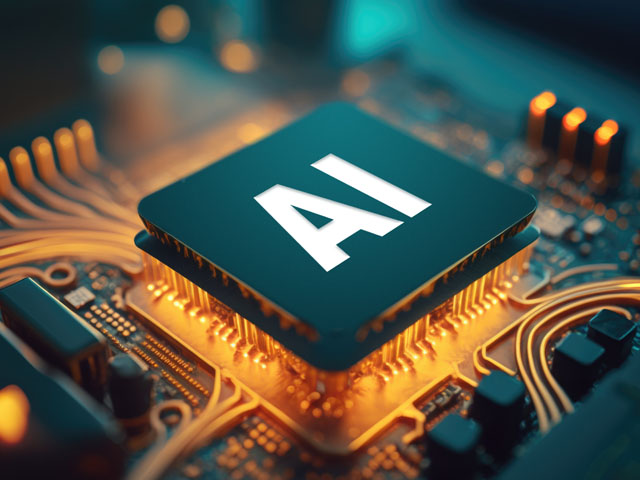
The future of software is not static functionality, but continuously evolving intelligence embedded within every layer of digital infrastructure and system architecture.
Why AI-Native Systems Matter
Modern enterprises are operating in environments defined by extreme data growth, rapidly changing customer expectations, and continuously evolving operational complexity, where traditional static software systems struggle to maintain performance, scalability, and adaptability due to their inability to respond dynamically to real-time changes in workload patterns, user behavior, and infrastructure demands across distributed and interconnected digital ecosystems operating at enterprise scale.
AI-native systems solve these limitations by embedding intelligence directly into the core architecture of software products, allowing systems to continuously learn from incoming data streams, identify behavioral patterns, adapt operational workflows, and optimize performance automatically without requiring constant manual intervention or repeated redevelopment cycles from engineering teams responsible for maintaining system stability and functionality.
Engineering Intelligent Systems
Modern product engineering has evolved from building isolated features into designing interconnected intelligent ecosystems where each system component communicates with others, processes continuous data inputs, and adapts its behavior based on real-time feedback loops, user interactions, and operational metrics that collectively determine how the system scales, performs, and optimizes itself across multiple infrastructure layers.
This engineering approach integrates machine learning models, distributed computing architectures, real-time data pipelines, automation frameworks, and cloud-native infrastructure systems into a unified architecture that enables digital products to function not only as static tools but as evolving intelligent systems capable of continuous improvement and adaptive performance optimization without requiring constant manual redesign cycles.
At IdeaManofaction, product engineering is treated as a long-term systems discipline where software is not considered a one-time deliverable but instead a continuously evolving intelligence layer that improves over time through structured feedback loops, performance monitoring systems, predictive modeling, and iterative optimization strategies designed to enhance scalability, resilience, and operational intelligence.
Automation & Transformation
Automation has become a central driver of modern digital transformation strategies, enabling organizations to eliminate repetitive manual operations, streamline complex workflows, and implement intelligent decision systems that respond dynamically to changing business conditions, system inputs, and user interactions across multiple integrated platforms operating in real time within enterprise environments.
AI-driven automation systems enhance operational efficiency by enabling decision-making processes to be partially or fully automated based on predictive analytics, contextual data interpretation, and continuous system monitoring, thereby reducing human dependency while improving consistency, accuracy, and scalability across large-scale digital infrastructures and business ecosystems.
Conclusion
The evolution toward AI-native digital systems represents a fundamental and irreversible shift in how modern software is conceptualized, designed, engineered, deployed, and scaled across industries that are increasingly dependent on intelligent, adaptive, and high-performance computing systems capable of operating continuously in highly dynamic environments where data is generated in real time, user expectations evolve rapidly, and system behavior must constantly adjust to fluctuating operational demands, infrastructure constraints, and global-scale performance requirements that traditional static software architectures were never designed to handle effectively over long-term usage cycles.
IdeaManofaction is strategically positioned within this ongoing technological transformation as an AI-native product engineering company focused on building intelligent digital systems, scalable software architectures, and adaptive infrastructure solutions that allow organizations to transition from rigid, rule-based operational models into continuously evolving ecosystems powered by artificial intelligence, automation frameworks, machine learning pipelines, and cloud-native infrastructure that collectively enable higher efficiency, improved decision-making, reduced operational friction, and long-term scalability across enterprise environments operating in competitive and fast-changing digital markets.
Leave a Reply